What North Beach Homeowners Need to Know About Black Mold Testing
Black mold—often Stachybotrys chartarum—thrives in damp, humid conditions common along the Chesapeake Bay. For North Beach homeowners, understanding when and how to test for it is the first step toward protecting indoor air quality and structural integrity. Testing isn’t just about confirmation; it’s about pinpointing the scope and type of infestation to guide remediation.
Why Black Mold Testing Matters in Coastal Climates
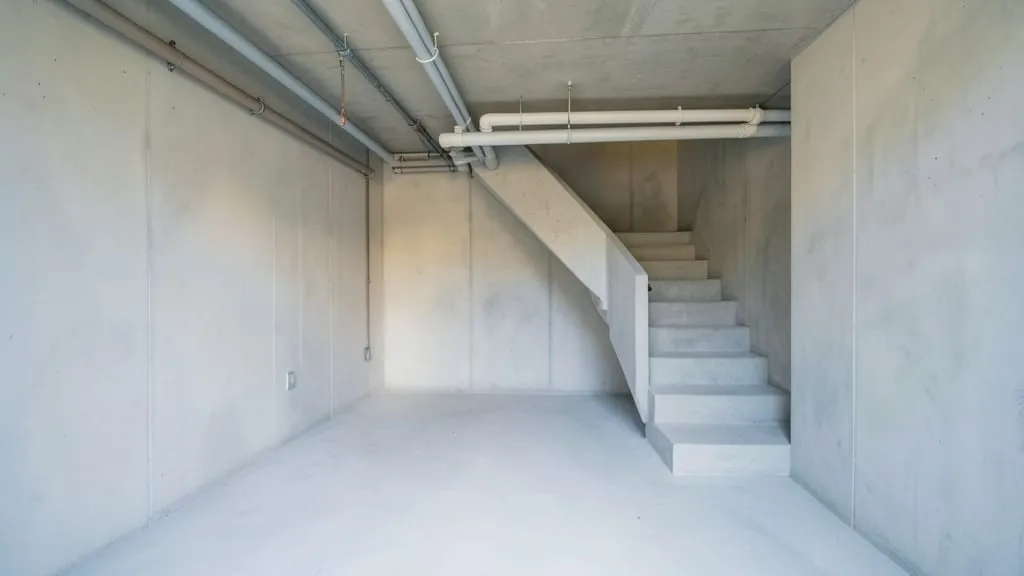
The humid, maritime climate around North Beach creates ideal conditions for black mold growth. High moisture levels, frequent storms, and proximity to water increase the risk of hidden infestations in walls, crawl spaces, and basements.
Unlike milder molds, Stachybotrys can produce mycotoxins under certain conditions, which may pose health risks with prolonged exposure. Testing identifies the species and spore concentration, helping determine the urgency of remediation.
Signs You Need Black Mold Testing
Visible dark, greenish-black stains on walls, ceilings, or baseboards are a red flag, but mold often hides behind drywall or under flooring. Musty odors, especially in basements or attics, can indicate active growth even without visible signs.
Unexplained respiratory issues, headaches, or skin irritation among household members may also warrant testing. In North Beach, post-flooding or after water damage—common in areas like Chesapeake Beach or Owings—testing is critical to rule out hidden contamination.
When to Test for Black Mold
- After water damage or flooding, even if the area appears dry
- When musty odors persist without a clear source
- Before purchasing a home, especially in older or water-prone neighborhoods
- If occupants experience unexplained health symptoms linked to mold exposure
- During or after HVAC system issues, as ducts can spread spores
Types of Black Mold Tests: What to Expect
Air testing collects spore samples from the air to measure concentration levels. It’s useful for identifying hidden mold but may not pinpoint the source. Surface testing, on the other hand, involves swabbing or tape-lifting samples from visible mold to confirm the species.
Bulk testing examines physical materials like drywall or insulation, while ERMI (Environmental Relative Moldiness Index) testing uses dust samples to compare indoor mold levels to a national database. Each method serves a different purpose, and a professional can recommend the best approach for your situation.
| Method | Best For | Limitations |
|---|---|---|
| Air Testing | Detecting hidden mold and spore levels in the air | Does not locate the source; affected by air currents |
| Surface Testing | Identifying mold species on visible growth | Limited to accessible surfaces; may miss hidden infestations |
| Bulk Testing | Analyzing mold in building materials (e.g., drywall, wood) | Invasive; requires physical samples |
| ERMI Testing | Comparing indoor mold levels to a national baseline using dust | Does not identify active growth; less useful for small or localized issues |
How Black Mold Testing Works in Practice
A thorough inspection precedes testing. Crews in the area typically use moisture meters and thermal imaging to locate hidden water sources, as mold cannot grow without moisture. This step is critical in North Beach, where basements and crawl spaces are prone to dampness.
Samples are then collected and sent to a certified lab for analysis. Results usually include spore counts, species identification, and sometimes mycotoxin screening. The turnaround time for lab reports is typically 24-48 hours, though complex analyses may take longer.
Understanding Your Black Mold Test Results
Lab reports detail spore types and concentrations, often comparing indoor levels to outdoor baselines. Elevated indoor counts of Stachybotrys or other toxigenic molds suggest an active problem requiring remediation.
Not all mold is black mold, and not all black mold produces mycotoxins. However, any significant mold growth in North Beach homes—especially in high-risk areas like basements, attics, or HVAC systems—should be addressed promptly to prevent structural damage and health risks.
Elevated indoor spore levels compared to outdoor controls often indicate an active mold source. However, no universal ‘safe’ threshold exists—context and location matter.
Black Mold Testing vs. DIY Kits: Pros and Cons
DIY mold testing kits are affordable and widely available, but they have limitations. Many only identify mold presence, not the species or spore count, and improper sampling can lead to false negatives or positives.
Professional testing in North Beach offers precision, especially for black mold. Technicians use calibrated equipment, follow EPA guidelines, and can trace mold to its source—critical for effective remediation. For homeowners in areas like Dunkirk or Huntingtown, where older homes may have hidden issues, professional testing is often the better investment.
DIY kits can be useful for preliminary checks in small, accessible areas. For comprehensive or high-stakes assessments, professional testing is recommended.
What Comes After Testing: Next Steps for North Beach Homes
Positive test results mean remediation is necessary. The scope depends on the infestation size and location. Small, contained areas may be handled with proper containment and cleaning, while large or hidden infestations—common in crawl spaces or attics—require professional remediation.
In North Beach, where humidity and water intrusion are persistent issues, addressing the root cause (e.g., leaks, poor ventilation, or flooding) is just as important as removing the mold. Without moisture control, mold will return.
Cost Factors for Black Mold Testing in Calvert County
The cost of black mold testing varies based on the number of samples, testing methods, and lab fees. Air testing for a single room may be less expensive than comprehensive testing for an entire home, including attics, basements, and HVAC systems.
In North Beach, prices are also influenced by travel time, urgency, and whether additional services like moisture mapping or thermal imaging are included. For the most accurate estimate, homeowners should request a quote tailored to their property’s size and suspected mold hotspots.
How to Prepare for Black Mold Testing in Your Home
A few simple steps can ensure accurate results and a smooth testing process.
- 1Identify Problem Areas
Note any visible mold, water stains, or musty odors. Provide this information to the tester to focus efforts on high-risk zones like basements, bathrooms, or around windows.
- 2Clear Access to Suspected Areas
Move furniture or storage items away from walls, especially in basements, attics, or crawl spaces. This allows the tester to inspect and collect samples without obstruction.
- 3Avoid Disturbing Mold
Do not attempt to clean or disturb mold before testing. This can release spores into the air, skewing results and potentially spreading contamination.
- 4Close Windows and Doors
Keep the home sealed for at least 12 hours before air testing to ensure accurate spore count readings. This prevents outdoor mold from interfering with indoor samples.
- 5Turn Off HVAC Systems
Shut down heating or cooling systems for 12 hours prior to testing. This prevents spores from being dispersed or filtered out, which could affect the accuracy of air samples.
Frequently Asked Questions
Is black mold testing necessary if I can see mold in my North Beach home?
Visible mold should always be tested to confirm the species and assess the extent of the problem. Black mold (Stachybotrys) requires specific remediation protocols, and testing helps determine whether it’s isolated or part of a larger infestation. Additionally, visible mold often indicates hidden growth nearby.
Can black mold testing detect mold in my HVAC system?
Yes, but it requires specialized air testing or surface sampling within the ductwork. HVAC systems can spread mold spores throughout a home, so if you suspect contamination in areas like Deale or Friendship, professional testing is the best way to confirm and address it.
How often should I test for black mold in a humid climate like North Beach?
Annual testing is a good practice for homes in high-risk areas, especially if you’ve had past water damage or live near the Chesapeake Bay. More frequent testing may be needed after flooding, leaks, or if occupants experience health symptoms.
Are there any health risks associated with black mold testing?
The testing process itself is low-risk if conducted properly. However, disturbing mold during DIY testing can release spores. Professionals use containment and PPE to minimize exposure. If you’re sensitive to mold, it’s best to leave the home during testing.
Does black mold testing include a remediation plan?
Most professional testing services provide a detailed report with findings and may offer remediation recommendations. However, a separate remediation plan—tailored to your home’s specific issues—is typically developed after testing. In North Beach, this often includes moisture control strategies to prevent recurrence.
Can I use a black mold test kit for my rental property in North Beach?
DIY kits can give you a preliminary idea, but they lack the precision of professional testing. For rental properties, where liability and tenant health are concerns, professional testing and documentation are strongly advised to ensure thorough and defensible results.